
Abstract
Just as every individual is unique, every robot should be able to care for and interact with that individual in a unique way. Recent advances in physical human-robot interaction (pHRI) have highlighted the importance of personalizing the interaction strategy according to the specific person the robot is engaging with, whether based on their physical and psychological state, familiarity with technology, their preferences, or, in the case of patients, the severity of their condition. Such personalization can take many forms: from defining a model of the interacting person (what are their physical and psychological characteristics? Do they have any disabilities?) to adapting the interaction parameters in the robot control (what are their preferences? How much do they trust the robot?). These adaptations can be driven by model-based approaches or learned directly from data. We believe that personalization is a key driver for the future of pHRI. This workshop will explore how personalization is being considered and integrated at multiple levels and across different domains, aiming to foster a deeper understanding of its potential and the challenges it entails. By bringing together experts from diverse fields, we will discuss strategies, methodologies, and technologies that can make pHRI truly tailored to the individual.
Topics of interest
We will address a diverse range of topics related to the theme of the workshop, including but not limited to:
- Personalized human models and impairment modelling
- Model-based, model-free, and hybrid strategies for personalization
- Multimodal human sensing and data fusion for personalization
- Anticipation of human intention and motion for pHRI
- User preferences and expert knowledge integration
- Adaptive control strategies in pHRI
- Human-in-the-loop control and optimization algorithms
- Trust-aware intelligent transparency and explainability
- Longitudinal personalization and lifelong adaptation
- Safety, ethics, and benchmarking of personalization
- Personalized assistive approaches in rehabilitation and daily living
- Personalized interaction for safe and trustworthy industrial collaboration
Call for contributions
For this workshop, we plan to invite submissions that drive innovation and conversation in the form of Extended Abstract Papers of 2-4 pages (references do not count toward the page limit) in IEEE Conf. style, with the possibility to attach a video.
The submitted abstracts will be reviewed in a double-anonymous process. Authors of accepted workshop papers will be required to hold a poster presentation during the interactive session at the coffee break. Selected extended abstracts/videos will have the opportunity to be archived on this website and will be promoted to a broader audience through various media channels.
We plan to issue multiple awards, possibly sponsored by the IEEE International Conference on Rehabilitation Robotics (ICORR) and the IEEE RAS technical committees.
Program
The workshop is planned to be held in the afternoon of Monday, June 1st. A tentative schedule follows. It may be revised to comply with the conference agenda and to meet the requirements of the invited speakers and contributing authors.
| Time | Description |
|---|---|
| 13.45 – 14.00 | Welcome and Introduction by the organizers |
| 14.00 – 14.30 | Talk 1 by Elena M. Gutierrez-Farewik |
| 14.30 – 15.00 | Talk 2 by Kyoungchul Kong |
| 15.00 – 15.30 | Round Table |
| 15.30 – 16.00 | Coffee Break and Poster Session |
| 16.00 – 16.30 | Talk 3 by Nadia Figueroa |
| 16.30 – 17.00 | Talk 5 by Jörn Vogel |
| 17.00 – 17.30 | Round Table |
| 17.30 – 17.45 | Conclusion and Award Ceremony |
Invited Speakers


Dr. Elena M. Gutierrez-Farewik
Full Professor, Promobilia MoveAbility Lab, Department of Engineering Mechanics, KTH Royal Institute of Technology, Sweden (EU).
Talk Title: Personalizing exoskeleton assistance for persons with motion disorders; matching optimal objective and subjective outcomes
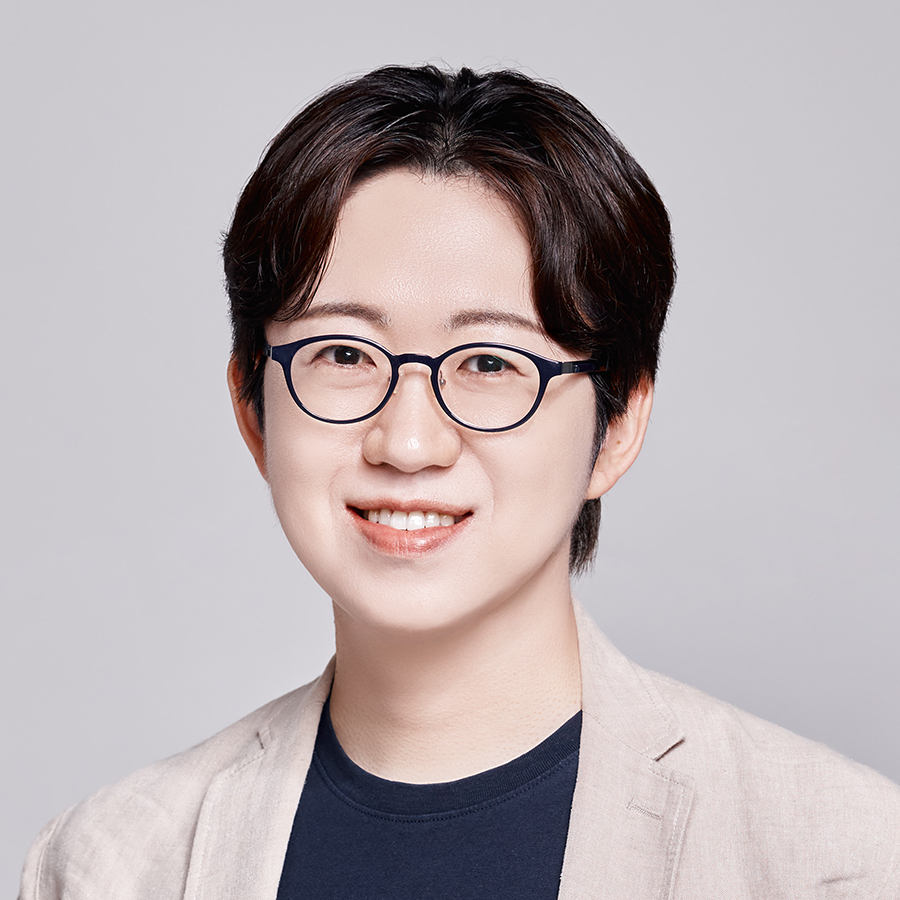

Prof. Kyoungchul Kong
Full Professor, Department of Mechanical Engineering, Korea Advanced Institute of Science and Technology (KAIST),and Chief Technical Officer (CTO), Angel Robotics, Republic of Korea.
Talk Title: Parameters, Procedures, and Professionals for the Personalization of a Wearable Robot


Nadia Figueroa
Shalini and Rajeev Misra Presidential Assistant Professor, Mechanical Engineering and Applied Mechanics (MEAM) Department, University of Pennsylvania, US.
Talk Title: TBD
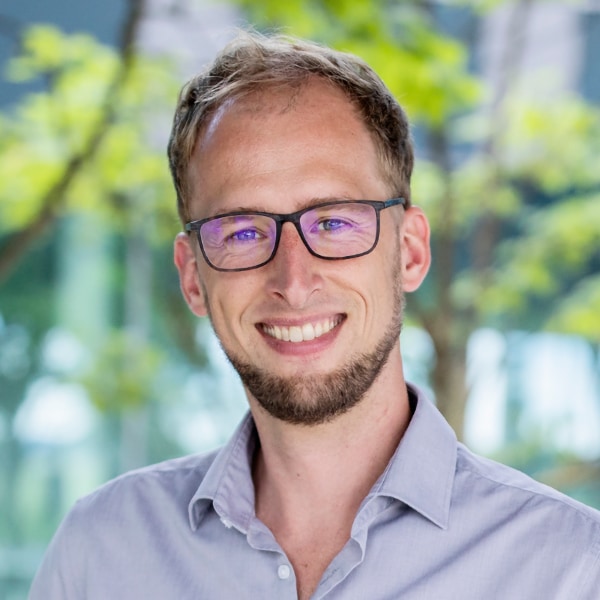

Prof. Jörn Vogel
Researcher, German Aerospace Center (DLR), Germany (EU).
Talk Title: Helping Hands: How Robotics can assist individuals with physical disabilities
Organizers

Dr. Marta Lorenzini
Senior Technician, Human-Robot Interfaces and Interaction (HRII) Lab, Istituto Italiano di Tecnologia (IIT), Italy
Email: marta.lorenzini@iit.it


Dr. Marta Lagomarsino
Post-Doc, Human-Robot Interfaces and Interaction (HRII) Lab, Istituto Italiano di Tecnologia (IIT), Italy
Email: marta.lagomarsino@iit.it


Dr. Juan M. Gandarias
Assistant Professor, Institute for Mechatronics Engineering and Cyber-Physical Systems (IMECH.UMA), University of Malaga, Spain
Email: jmgandarias@uma.es


Prof. Wansoo Kim
Associate Professor, HumAn-Robot COllaboration (HARCO) Lab, Hanyang University ERICA, Republic of Korea
Email: wansookim@hanyang.ac.kr

Prof. Ana Luisa Trejos
Full Professor, Wearable Biomechatronics (WearMe) Lab, Western University, Canada
Email: atrejos@uwo.ca
Acknowledgments
This workshop will be supported by the European Union's NextGenerationEU framework of the project "Robotics and AI for Socio-economic Empowerment" (RAISE), the National Research Foundation of Korea (NRF) grant funded by the Korea government (Ministry of Science and ICT) No. 2022R1C1C1008306, and the Spanish Project PID2021-127221OB-I00.
